Affiliate Disclosure: CatWorld is reader-supported. When you buy through links on this page, we may earn a small affiliate commission at no extra cost to you. Learn more.
You hear it late at night — that unmistakable, gut-wrenching retching sound. By the time you flip on the lights, your cat has already deposited a soggy, torpedo-shaped gift on your carpet. Welcome to the world of hairballs.
If you live with a cat — especially a long-haired one — hairballs are an unavoidable reality. The average cat spends up to 50% of their waking hours grooming, swallowing hundreds of loose hairs every single day. Most of that hair passes through harmlessly. But when too much accumulates in the stomach, it clumps into a hairball (technically called a “trichobezoar”) that your cat must expel — usually loudly, and rarely on an easy-to-clean surface.
The good news: the best cat hairball remedies can dramatically reduce how often this happens, and help your cat pass hair more comfortably before it ever becomes a problem. Whether you prefer a slippery gel, a tasty treat, a chewable supplement, or a combination approach, there’s an effective solution for every cat and every owner.
We reviewed the top-selling hairball remedies on Amazon, consulted veterinary guidance, and analyzed thousands of cat owner reviews to bring you this definitive guide. Here are the 5 best cat hairball remedies in 2026 — plus a comprehensive buying guide to help you choose the right one for your feline.
Quick Comparison: Best Cat Hairball Remedies 2026
| Product | Type | Key Ingredient | Best For | Our Rating |
|---|---|---|---|---|
| Vetoquinol Laxatone | Lubricant Gel | Petrolatum + Mineral Oil | Overall Best | ★★★★★ |
| PetHonesty Dual Texture Hairball | Treats/Chews | Psyllium + Omega-3 | Picky Cats | ★★★★★ |
| Nutri-Vet Hairball Paw Gel | Petroleum-Free Gel | Vegetable Oil Blend | Natural Formula | ★★★★☆ |
| Sentry Hairball Relief | Lubricant Gel | Petrolatum + Malt | Budget Pick | ★★★★☆ |
| Vet’s Best Hairball Relief | Chewable Tablets | Psyllium + Probiotics | Digestive Health | ★★★★☆ |
The 5 Best Cat Hairball Remedies in 2026
1. Vetoquinol Laxatone — Best Overall Hairball Gel
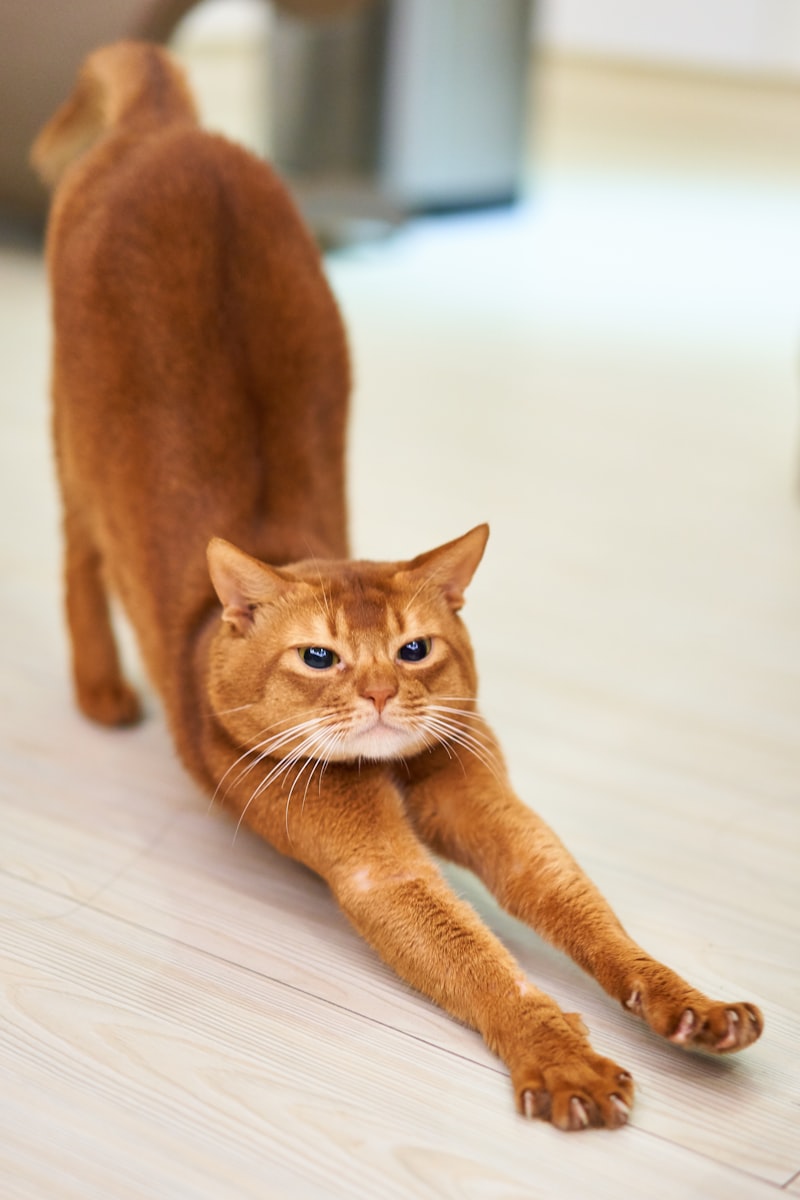
Vetoquinol Laxatone Oral Hairball Lubricant Gel for Cats has been the gold standard in veterinary-recommended hairball treatment for over 25 years. Originally formulated by Tomlyn and now distributed by Vetoquinol, Laxatone is the #1 vet-recommended hairball gel in the United States — and for excellent reason.
The formula works by coating swallowed hair with a gentle blend of three lubricants: white petrolatum, light mineral oil, and soybean oil. This slippery combination prevents loose hair from balling up in the stomach, instead allowing it to pass naturally through the digestive system. The addition of omega-3, 6, and 9 fatty acids provides a bonus benefit — a shinier coat that reduces shedding over time, which means fewer hairballs in the first place.
Available in three flavors — tuna, maple, and catnip — Laxatone is palatable enough that most cats will lick it right off your finger. For finicky felines, you can apply a small amount to their paw and let them groom it off naturally. The tube packaging makes dosing easy and mess-free.
Dosing: For active hairball treatment, give ½ to 1 teaspoon daily for 2–3 days. For ongoing prevention, reduce to ¼–½ teaspoon given 2–3 times per week.
- Vet-formulated and vet-recommended for 25+ years
- Triple lubricant blend for fast, effective relief
- Contains omega fatty acids for coat health
- Three palatable flavors — most cats love it
- Safe for kittens 12+ weeks old
- NASC quality seal
- Contains petroleum-based ingredients (concern for some owners)
- Can cause soft stools if over-administered
- Slightly more expensive than generic alternatives
Best for: Cat owners who want the most trusted, vet-backed hairball gel with proven results. Excellent for cats who already have an active hairball issue.
Price range: $10–$16 for 4.25 oz
2. PetHonesty Dual Texture Hairball Treats — Best for Picky Cats
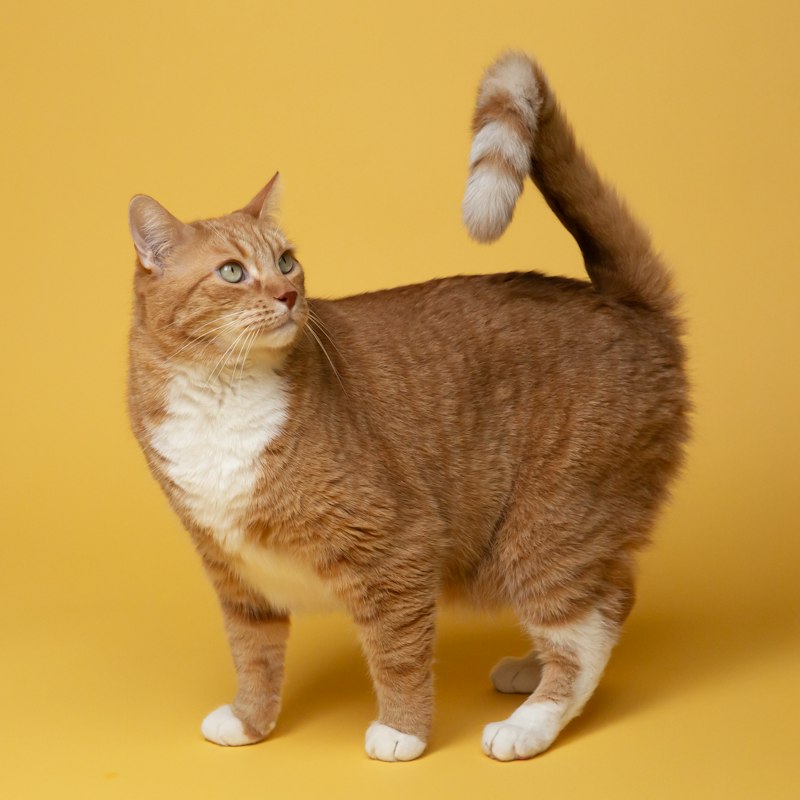
PetHonesty Dual Texture Hairball Control Chicken Flavored Chews took the Amazon cat hairball category by storm, becoming the #1 best-selling hairball remedy with an estimated 20,000 units sold monthly. The secret? An ingenious dual-texture design that cats can’t resist.
Each treat has a crunchy outer shell and a soft, creamy center. This combination isn’t just clever marketing — it serves a real functional purpose. The crunchy exterior helps scrub the teeth while delivering hairball-fighting fiber, and the soft interior contains the active digestive ingredients including psyllium seed husk and apple pomace fiber. These plant-based fibers bind to ingested hair in the gut and help it pass through safely, without the need for petroleum-based lubricants.
The formula also includes omega-3 fatty acids from fish oil to support a healthy coat and reduce shedding at the source. Cats who refuse gels and pastes typically go absolutely wild for these treats, making them a genuine game-changer for households with finicky felines.
- #1 best-selling hairball remedy on Amazon
- Dual texture cats love — crunchy shell, creamy center
- Petroleum-free formula
- Contains digestive fiber + omega-3s
- Tastes like a treat — easy daily administration
- No mess — no tubes or syringes needed
- Fiber-based (slower acting than lubricant gels)
- Not ideal for cats with existing hairball blockages — use gel first
- Some cats with food sensitivities may react to chicken ingredient
Best for: Cats who refuse gel remedies, households wanting a daily prevention routine that feels like treat time, and owners who prefer petroleum-free products.
Price range: $16–$22 per bag
3. Nutri-Vet Hairball Paw Gel — Best Natural Formula
Nutri-Vet Hairball Paw Gel for Cats is the go-to choice for cat owners who want an effective hairball remedy without petroleum-based ingredients. Instead of petrolatum or mineral oil, Nutri-Vet uses a blend of three natural oils — hydrogenated vegetable oil, soybean oil, and corn oil — plus dietary fiber to help hair move safely through the digestive tract.
The “paw gel” application method is brilliantly simple: squeeze a small amount onto your cat’s paw. Your cat will instinctively lick it off during grooming, consuming the remedy without any fuss. This is particularly useful for cats that resist having anything applied to their mouth or nose. Available in both chicken and salmon flavors, even the pickiest cats tend to accept this gel readily.
Nutri-Vet also formulates this gel with omega-3 fatty acids to support a shiny, healthy coat — which works upstream to reduce the amount of hair shed and swallowed in the first place. The veterinarian-formulated recipe ensures safety for both adult cats and kittens.
- No petroleum ingredients — natural oil blend
- Paw application method — stress-free for cats
- Vet-formulated with omega-3s for coat health
- Suitable for kittens and adult cats
- Available in chicken and salmon flavors
- Budget-friendly price point
- Vegetable oil lubricants are slightly less potent than petroleum-based formulas
- Some cats may walk away before licking the gel off their paw
- Smaller tube size than competitors
Best for: Cat owners who prefer natural, petroleum-free ingredients, households with kittens, and cats that respond well to the paw-application method.
Price range: $7–$12 for 3 oz
4. Sentry Hairball Relief — Best Budget Pick

Sentry Hairball Relief for Cats proves that you don’t need to spend a lot to get effective hairball control. This malt-flavored petroleum-based gel uses the same core active ingredient as the premium options (white petrolatum) at a fraction of the cost, making it an excellent choice for multi-cat households where volume matters.
The malt flavor is a classic in cat hairball remedies — cats are typically attracted to the slightly sweet, grain-like scent and taste. Most cats will eagerly lick Sentry Hairball Relief directly from your finger or from a small dish, making administration quick and easy. The formula lubricates the digestive tract to help accumulated hair pass through naturally, reducing both active hairballs and the frequency of future episodes.
For cats who aren’t already experiencing hairball issues, Sentry makes a solid maintenance product when used 2–3 times per week. For cats mid-hairball-event, daily use for several days can provide relief without breaking the budget.
- Most affordable hairball gel on the market
- Same active ingredient (petrolatum) as premium products
- Malt flavor loved by most cats
- Easy squeeze tube application
- Effective for both treatment and prevention
- Petroleum-based formula
- Fewer flavor options than premium brands
- No omega-3 support for coat health
- Some cats dislike the malt flavor
Best for: Multi-cat households looking for a cost-effective prevention routine, owners on a budget who still want a reliable solution, and cats who love malt flavor.
Price range: $5–$9 for 4.25 oz
5. Vet’s Best Hairball Relief Digestive Aid — Best for Digestive Support
Vet’s Best Hairball Relief Digestive Aid for Cats takes a fundamentally different approach to hairball control. Rather than lubricating the digestive tract with oils, this veterinarian-formulated chewable tablet uses a combination of dietary fiber, probiotics, and powerful plant-based compounds to support overall digestive health — with hairball prevention as a natural side benefit.
The formula is impressively comprehensive. Psyllium seed husk provides the primary fiber to bind hair in the gut. Marshmallow root soothes the stomach lining and reduces inflammation. Slippery elm bark acts as a gentle mucilage to ease the passage of hair. Papaya extract (containing papain enzyme) assists in breaking down proteins. And live probiotics help maintain a healthy gut microbiome that processes food — and hair — more efficiently.
Each bottle contains 60 chewable chicken-flavored tablets — a full 30-day supply at the recommended dose. The tablets carry the National Animal Supplement Council (NASC) quality seal, confirming that the ingredients and manufacturing meet rigorous quality standards. This is the supplement to choose if your cat suffers from chronic hairball issues alongside digestive sensitivity, irregular stools, or gut discomfort.
- Petroleum-free — all-natural plant ingredients
- Supports full digestive health, not just hairballs
- Contains fiber, probiotics, and soothing botanicals
- NASC quality seal certified
- Chewable tablet form — easy to give as treat
- 60 tablets = 30-day supply
- Works best as long-term prevention, not immediate treatment
- Some cats may resist chewable tablet form
- Higher cost per dose than gel options
- Takes 2–4 weeks to see full digestive benefits
Best for: Cats with chronic hairball issues who also show digestive sensitivity, owners who want a holistic approach to feline gut health, and households that prefer pill/tablet supplements over gels.
Price range: $12–$18 for 60 tablets (30-day supply)
Cat Hairball Remedies Buying Guide: Everything You Need to Know
Why Do Cats Get Hairballs?
Cats are meticulous self-groomers. Their tongues are covered with tiny, backward-facing barbs called papillae that are perfect for removing loose fur, dirt, and debris from their coats. The problem is that these same barbs make it nearly impossible for cats to spit out swallowed fur — once hair enters the mouth during grooming, it’s headed to the stomach.
Under normal circumstances, small amounts of hair pass through the digestive system without incident. But when a cat ingests more hair than their system can handle — due to heavy shedding, excessive grooming, or simply the math of multiple grooming sessions per day — the hair can accumulate into a ball in the stomach. This trichobezoar (the clinical term for a hairball) must be regurgitated.
Most cats vomit hairballs occasionally. But frequent hairballs — more than 2–3 per month — indicate a need for intervention. And rarely, a hairball can become large enough to cause a dangerous intestinal blockage, which is a veterinary emergency.
Types of Cat Hairball Remedies
Lubricant Gels (Petroleum-Based)
The most widely used type of hairball remedy. Petroleum-based gels (containing white petrolatum or mineral oil) coat the hair in the stomach, making it slippery enough to pass through rather than clump. These work quickly — often within 24–48 hours — and are the go-to recommendation for active hairball issues. The main concern some owners have is the petroleum-based ingredient, though veterinarians widely consider it safe for cats in recommended doses.
Natural/Petroleum-Free Gels
These use vegetable oil blends (soybean oil, hydrogenated vegetable oil, corn oil) to achieve a similar lubricating effect without petroleum. They’re slightly less potent than petroleum-based formulas but provide a natural alternative that many cat owners prefer. Good for maintenance and prevention.
Hairball Control Treats
Treats that contain fiber and/or petrolatum designed to work during digestion rather than after. The primary benefit is ease of administration — cats think they’re getting a reward, not medicine. Treats work best for prevention, not acute hairball treatment.
Chewable Supplements
Tablet-form supplements that support overall digestive health to reduce hairball frequency. Often contain fiber, probiotics, and botanicals. Takes longer to work than gels (2–4 weeks) but provides more comprehensive digestive support. Best for cats with chronic issues or digestive sensitivity.
How to Choose the Right Hairball Remedy
If your cat has an active hairball right now: Choose a lubricant gel (Vetoquinol Laxatone or Sentry). These work fastest and provide immediate relief.
If your cat refuses gels: Try the PetHonesty Dual Texture treats or the Vet’s Best chewable tablets. Both are formulated to taste like treats.
If you prefer natural ingredients: Nutri-Vet Hairball Paw Gel or Vet’s Best Digestive Aid are your best petroleum-free options.
If you have multiple cats: Sentry Hairball Relief offers excellent value for budget-conscious households managing several cats simultaneously.
If your cat has digestive issues alongside hairballs: Vet’s Best Digestive Aid addresses both problems holistically with its probiotic and botanical formula.
Signs Your Cat May Have a Hairball Problem
- Retching or gagging: The classic “hacking” sound, often without producing a hairball
- Vomiting more than twice a month: Hairballs are likely the cause
- Constipation or changes in stool: Hair in the digestive tract can affect bowel regularity
- Loss of appetite or lethargy: A large hairball may cause discomfort
- Bloated or distended abdomen: Seek immediate veterinary care — this may indicate a blockage
Natural Ways to Reduce Hairballs
Hairball remedies work best as part of a comprehensive approach. Combine them with these strategies for maximum results:
- Regular brushing: Remove loose fur before your cat ingests it. Aim for daily brushing for long-haired breeds, 3x per week for shorthairs
- High-quality diet: Quality protein and omega fatty acids support a healthy coat that sheds less
- Hydration: Well-hydrated cats have more efficient digestive systems. A cat water fountain can help
- Hairball control cat food: High-fiber formulas specifically designed to move hair through the gut
- Regular vet checkups: Rule out skin conditions or parasites that may cause excessive grooming
Frequently Asked Questions: Cat Hairball Remedies
How often should I give my cat hairball remedy?
For prevention, most lubricant gels are given 2–3 times per week. For active hairball treatment, daily administration for 2–3 days is typically recommended. For treats and supplements, follow the package directions — usually once daily. Always consult your veterinarian if your cat has frequent hairballs.
Is petroleum jelly (Vaseline) safe for cats as a hairball remedy?
While some people use plain petroleum jelly, this isn’t recommended. Commercial hairball gels contain specific formulations designed for safe feline use, with correct concentration, added nutrients, and palatable flavors. Using pure Vaseline can also interfere with fat-soluble vitamin absorption if used frequently. Stick to veterinary-formulated products.
Can hairball remedies cause diarrhea in cats?
Yes — over-administration of petroleum-based gels can cause soft stools or diarrhea. If this happens, reduce the dose or frequency. Fiber-based remedies may also cause loose stools in cats that aren’t used to extra fiber — introduce them gradually and ensure your cat has plenty of water.
My cat keeps retching but not producing hairballs. What does this mean?
Hairball remedies can help prevent the buildup that causes retching. However, if your cat retches frequently without producing anything, this may indicate a different condition — feline asthma, respiratory issues, or a gastrointestinal problem. See your veterinarian if the behavior persists or if your cat also shows signs of lethargy, loss of appetite, or distended abdomen.
At what age can kittens start using hairball remedies?
Most commercial hairball gels are safe for kittens 12 weeks or older. Vetoquinol Laxatone and Nutri-Vet Paw Gel both specify kitten suitability. Always check the product label and consult your vet if you have concerns about very young kittens.
Do indoor cats get hairballs more than outdoor cats?
Not necessarily. Hairball frequency is more related to grooming habits, coat type, and diet than whether a cat is indoors or outdoors. Long-haired breeds (Maine Coon, Persian, Ragdoll) are more prone to hairballs regardless of lifestyle. Cats that over-groom due to stress or skin conditions also experience more hairballs.
Can I prevent hairballs entirely?
While you can dramatically reduce hairball frequency with the right remedy, regular brushing, and a quality diet, completely eliminating them is difficult. Even well-managed cats may occasionally vomit a hairball. The goal of hairball remedies is to reduce frequency and prevent dangerous blockages — not to achieve zero hairballs forever.
The Bottom Line: Our Top Recommendation
After reviewing all five cat hairball remedies, Vetoquinol Laxatone is our #1 overall recommendation for most cats. Its 25-year track record of veterinary use, triple-lubricant formula, and added omega fatty acids make it the most effective and comprehensive hairball gel available. If your cat will accept gel administration, this is the product to buy.
For cats who refuse gels, PetHonesty Dual Texture Hairball Treats is the best alternative — tastes like a reward, works like medicine, and comes without petroleum-based ingredients. The dual-texture format makes it almost impossible for even the pickiest cats to refuse.
Whatever you choose, consistency is key. Hairball remedies work best when given regularly as part of your cat’s routine, combined with frequent brushing and a high-quality diet. Your cat — and your carpet — will thank you.
Last Updated: August 2026 | Reviewed by: CatWorld Editorial Team | Product prices and availability are accurate as of the date of publication and are subject to change. All product links are affiliate links to Amazon.com.